.png)



Africa is the birthplace of mankind.
Nature holds magnificent wonder and power that permeates every moment in Africa's past, present and future.
Once-thriving empires fell to conquest.
Now, Eurocentric misinterpretations observe the mother continent with a "primitive" bias.
European historians invent lies that erase African people's known ingenuity, and their brutally destructive role in colonialism.
White imperialism tries incessantly to control narratives about African history.

An old revolution's due.


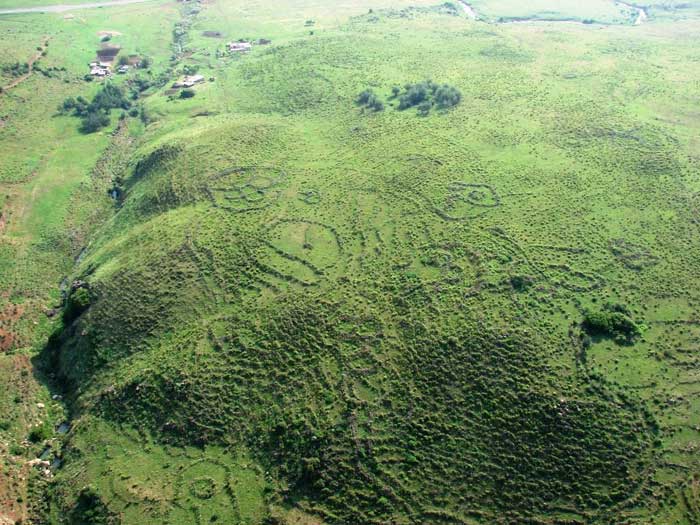
South Africa, Port Maputo
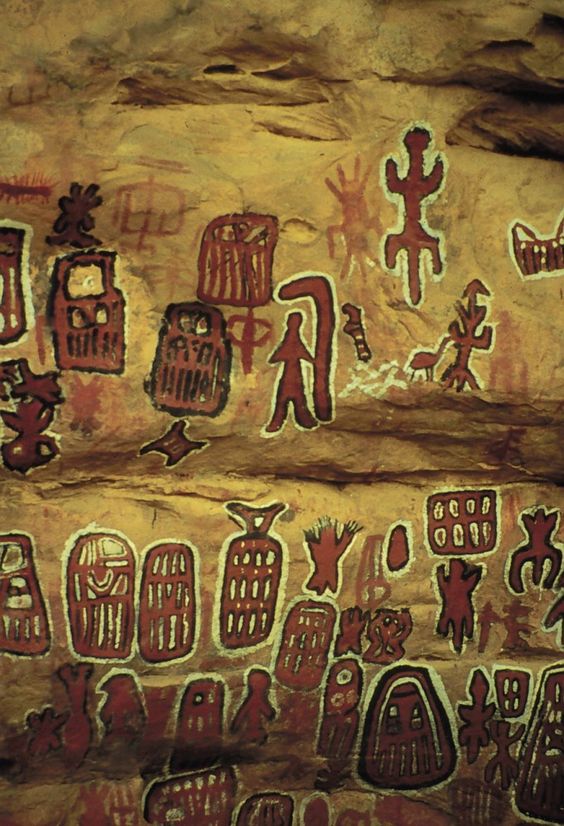
Dogon ideograms from 10th century B.C.E., present-day Mali (Songo Village)
"Everywhere in Africa that one scrapes the surface, one finds ethno-historical
data on the authority once shared by women."
10,000 B.C.E. - African women created an organized crop and livestock
system, therefore establishing a societal landmark: food security.
This development sparked the foundations for civilization as we know.
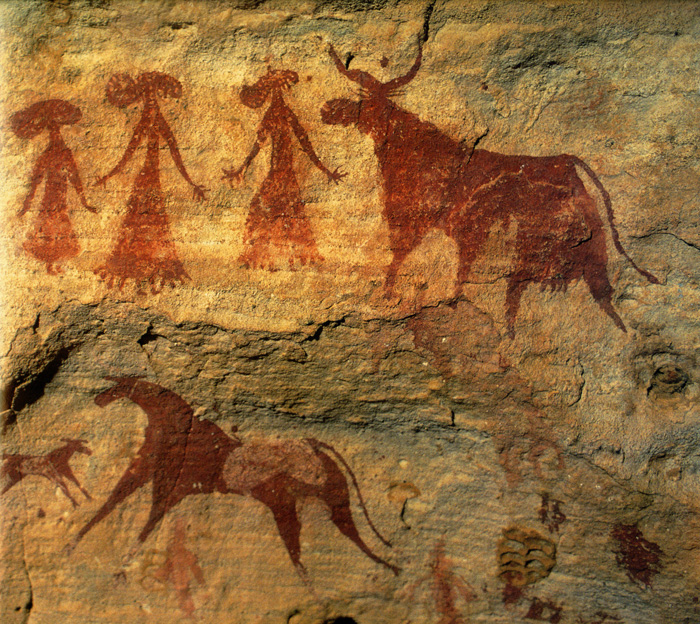
Ancient Saharan cave art, 8000-3000 B.C.E.
A highly controversial point could be made that the oldest written languages are African.
Proto-Saharan script predates Greek by 2,000 or more years!
Proto-Saharan script originated in Sudan ca. 5000 B.C.E.
The Iklaina tablet is Europe's oldest written record,
dated 1400-1350 B.C.E. (National Geographic).
Ancient accomplishments cover Africa.
Nabta Playa sits slightly north of the Egyptian-Sudanese border,
and the site spans two miles (NASA). It is Africa's only megalithic circle.
Nabta is thought to have been made 6200 B.C.E, 1000 years before Stonehenge.
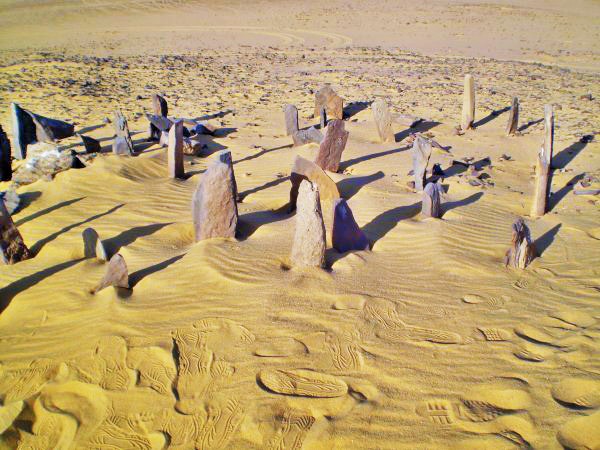
Nabta Playa tracks solar movement well.
In tropical cultures, zenith suns are very important.
Nabta's "calendar circle" arranges stones that correspond to summer solstice.
A cosmologically educated people lived in Africa during ancient
times, a portrait we don't always see.
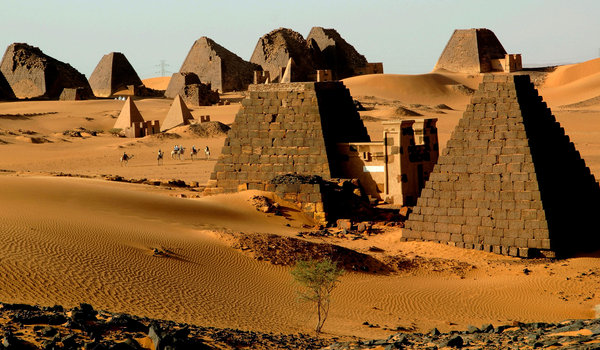
Pyramids in Meroe, Sudan
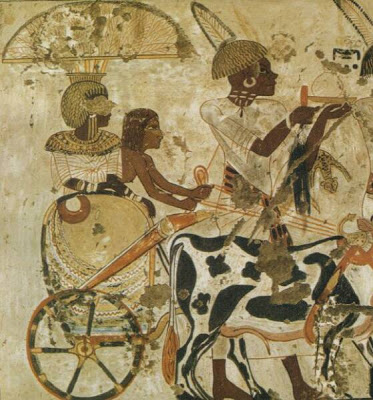
A Nubian Princess in her ox-chariot, Egyptian tomb Huy
ca. 1320
B.C.E.
Africa is home to the second largest rain forests on Earth:
30%
of global ones overall.
This complex, biodiverse world is a
multi-purpose cleanser for our planet.
Jungles store and attract carbon-a key element to present climate change. How does nature heal itself?
African jungles are natural humidifiers. African deltas are refillable aquifers that deplete per year.
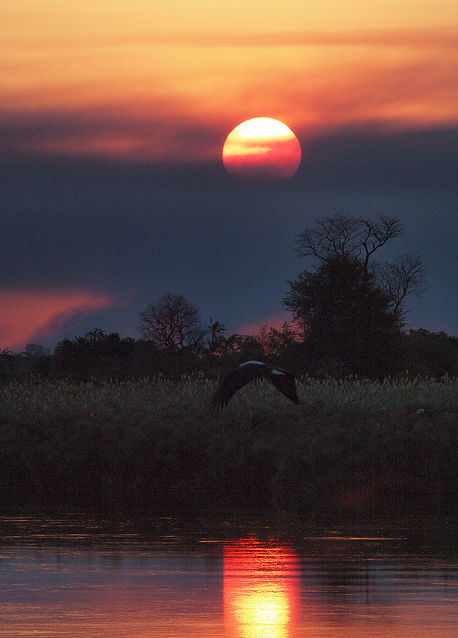
Okavongo Delta, Botswana
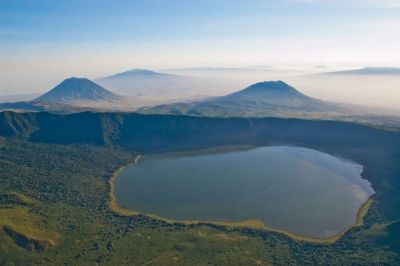
Ngorongoro Crater, Tanzania. This 100-mile area is Earth's biggest caldera
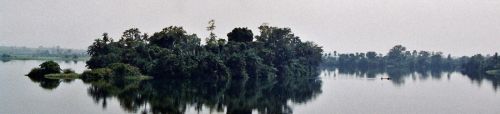
Lake Volta is the world's largest reservoir in southeastern Ghana
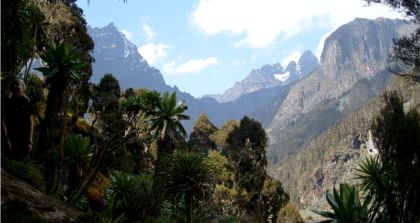
Rwenzori Mountain range in eastern Uganda
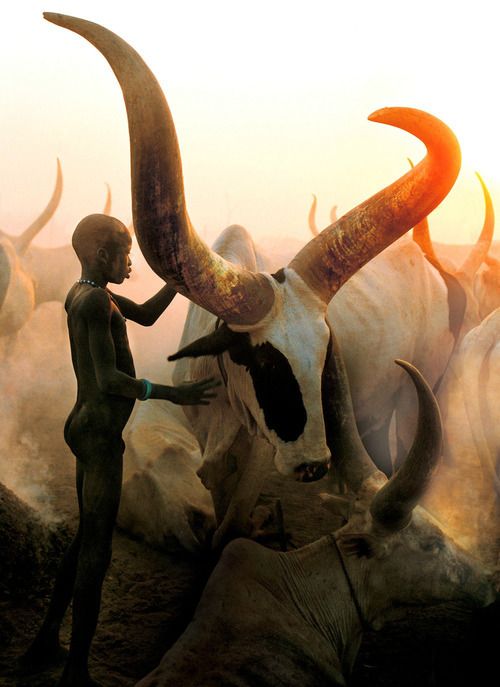
Dinka youth and their cattle, since they are a South
Sudanese pastoral community
There were several slave trades in the African continent.
Two were concurrent until the Arab slave trade ended in 1960.

From the Book of Negroes
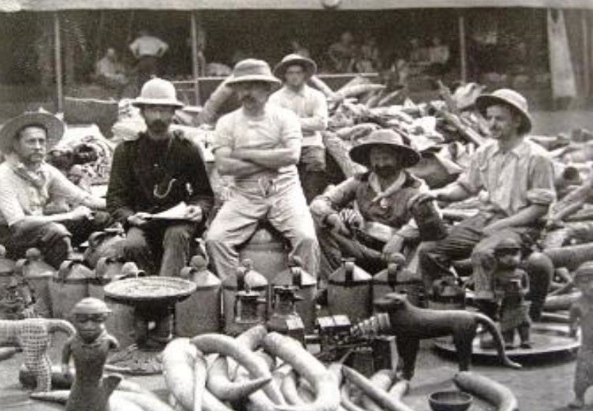
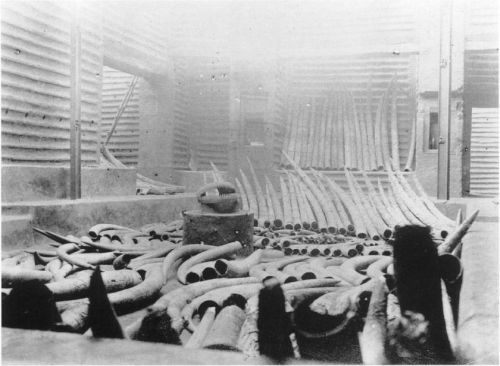
This was taken after the British punitive expedition
in Benin, 1897.
Below, hundreds of ivory tusks.
Oba Ovonramwen in exile, Old Calabar, Nigeria. This is a colonial
postcard.


Wholesale destruction of Africa's environment has permeated the world's consciousness.
And imperialism is the main architect.
It's why I even exist and tell this history, in English.
W.E.B. DuBois spoke about double consciousness:
knowing your origin but having to fight in the present
for a sense of identity.
Fabrice Monteiro's 'Prophecy' series documents the photographer's
eerie narrative on Senegalese eco-death and an African dystopic future.
Each figure represents a jinn (pre-Christian animist spirit in West African
belief), an ancient genie looking out upon the wasteland.
They warn against the dangers in commodifying nature.
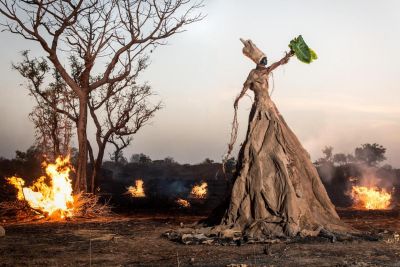
"The mistake of a lot of NGOs that try to make Africans aware,
they don’t consider the culture...
Using animism, the whole of West Africa believes in the spirits.
And the idea was to use those spirits to deliver a message."
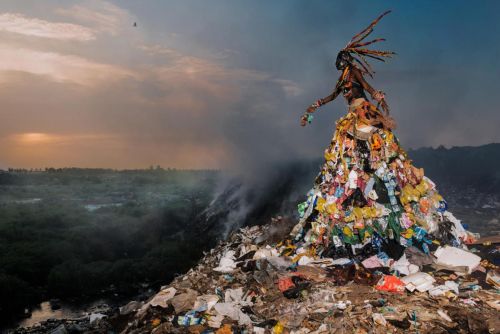
Africa loses 10 million acres of trees and foliage yearly to illegal
logging, mining and other manmade means.
That's the size of Switzerland.
10,000 species of tropical plants are in the Congo Basin.
30% of those are found nowhere else.
The Great Zimbabwe Ruins' high towers and walls were constructed without mortar.
They tower hundreds of feet tall, at a time such building was laborious and quite underdeveloped.
The Valley, Hill Ruins and Great Enclosure stand centuries later as a testament to time.
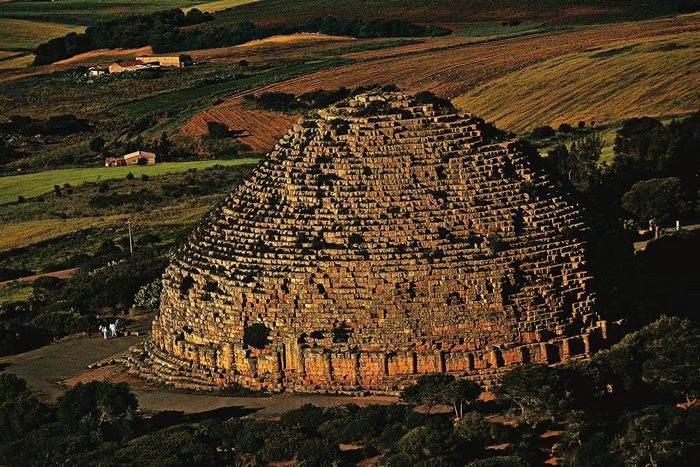
Hill Ruins
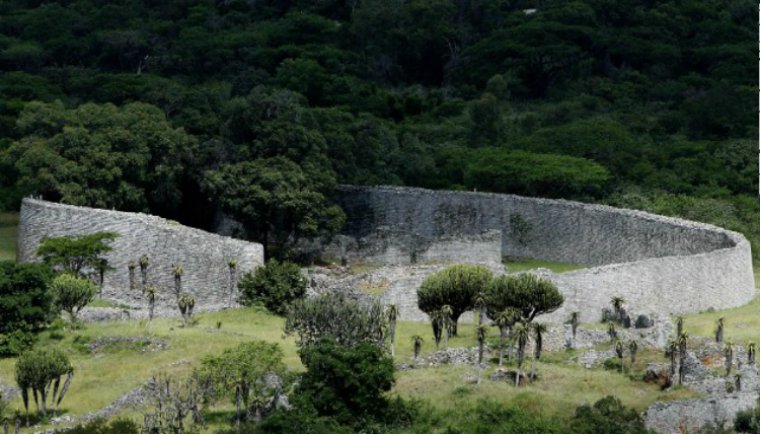
Great Enclosure in Masvingo
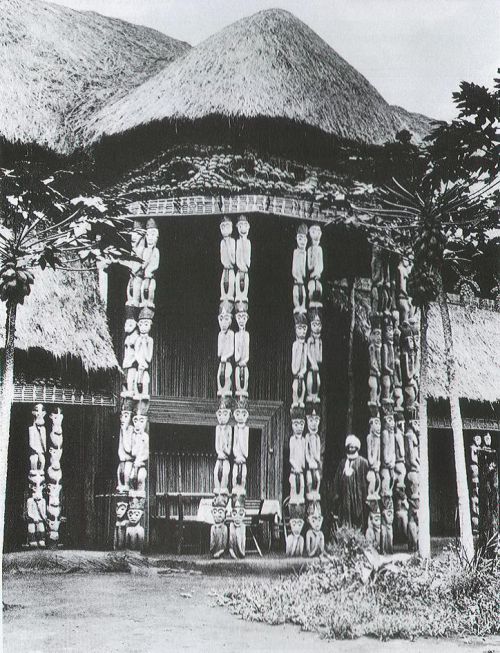
Africa's ancient maritime projects put later European builders to shame.
An Egyptian boat has been dated back as early as 3000 B.C.
Pharaoh Khasekhemwy's burial tomb contained a vessel 75 feet, and he died in the Second Dynasty.
Armadas were commonly spotted by the hundreds: well-equipped and technologically advanced.
They travelled along the Atlantic Coast of Africa,
but also sailed on to the Indian Ocean and Mediterranean Sea.
King Abubakari (Abu Bakr) II of the Malian Empire commanded a
2,000+-strong fleet (BBC), according to medieval Syrian scholar Al-Umari.
Abubakari, or Mansa Musa's brother, was aptly named 'the Voyager King'—
the world's richest monarch at that time.
His dream was to find the other 'bank' to the Atlantic Ocean,
and supposedly did reach South America (Pernambuco, Brazil).
War canoes were a very skilled advantage for indigenous African
civilizations, especially in West Africa's various deltas and waterways.
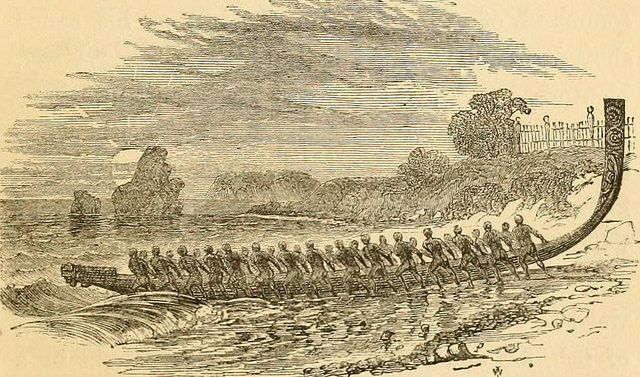
Some canoes could carry 100 people and measured 80 feet long.
With this in mind, scholars believe West African seafarers may have reached
American coasts before Columbus ever set sail
(MSU
Department of History).
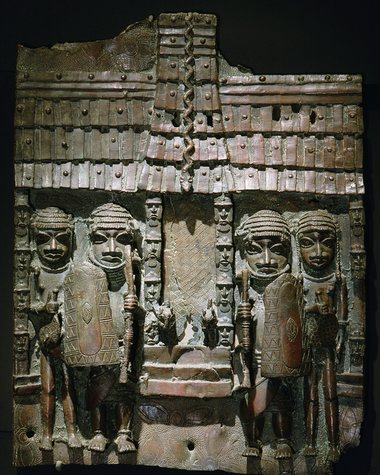
Plaque depicting the Oba Uselu (palace) entranceway
The Portuguese discovered Benin in 1485. They described it as the "Great City": a pre-colonial southern Nigerian empire.
Benin was a metropolis within the jungle, renowned for social and technological prestige.
Their influence lasted 700 years.
eninese glory preceded Europe's Renaissance.
Their capital's earthenworks quadrupled China's Great Wall.
500 villages circled Edo in interconnected, organized districts.
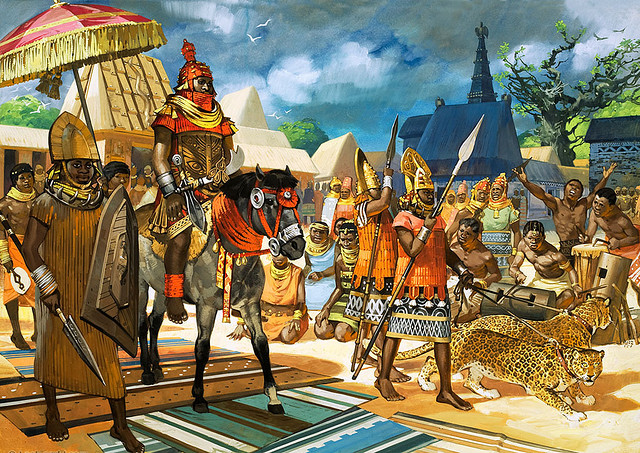
Benin's innovation is very prevalent in their architecture and art.
Beninese fractal designs rely on nature's golden rule,
making mathematically sound patterns (The Guardian)
Portuguese captain Lourenco Pinto left a famous account of Benin City:
"Great Benin, where the king resides, is larger than Lisbon;
all the streets run straight and as far as the eye can see."
The Benin Empire declined when intruding forces and
slavery encroached on its borders.
Ironically, finding Benin City's history often leads you
to colonial countries (and deals with them) that looted Africa.
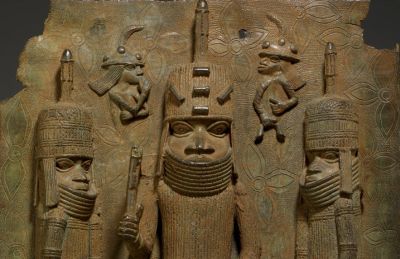
900 royal plaques occupy American and European museum exhibits.
These are at the British Museum in London, the Metropolitan Museum
in New York City and the Smithsonian in Washington, D.C.
Brass plaques, Oba's palatial twin pillars
Juju altar in king's compound, Benin 1891, before British
invasion (Smithsonian)
Plaque: Titleholder with Calabash Rattle, 1600's/1700's, Benin (Met
Museum)
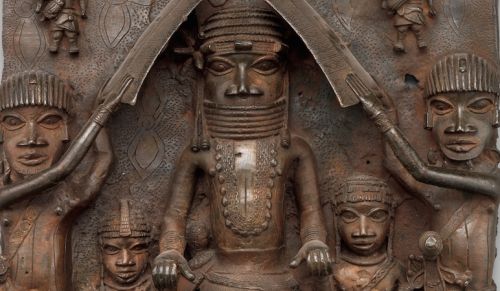
Equestrian Oba and Attendants,
Benin
Kingdom. 16th/17th century (Met
Museum)
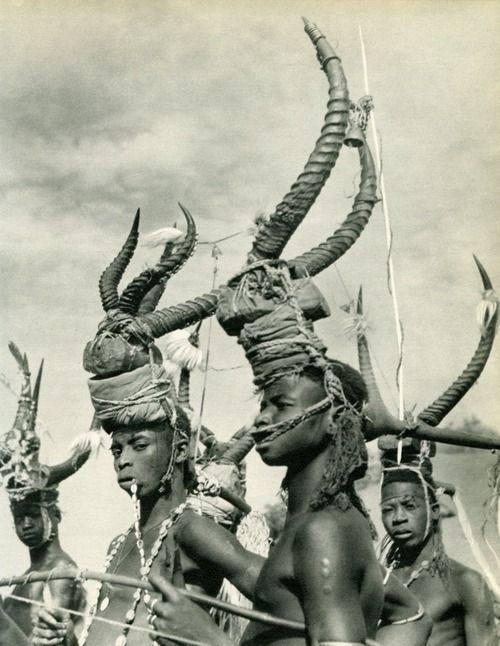
Komokunw chi wara (antelope) headdress of
the Bamana, Mali or Guinea
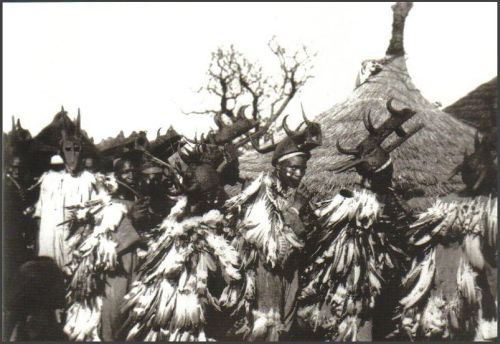
A Group of Komo Dancers.
Komokunw are spiritual helmet masks that marry human knowledge with the
super/natural world.
Fon daily customs link ritual with personal well-being and status.
Their nda nyiet, drinking horns, are found from Cameroon to Benin (ÌMỌ̀ DÁRA).
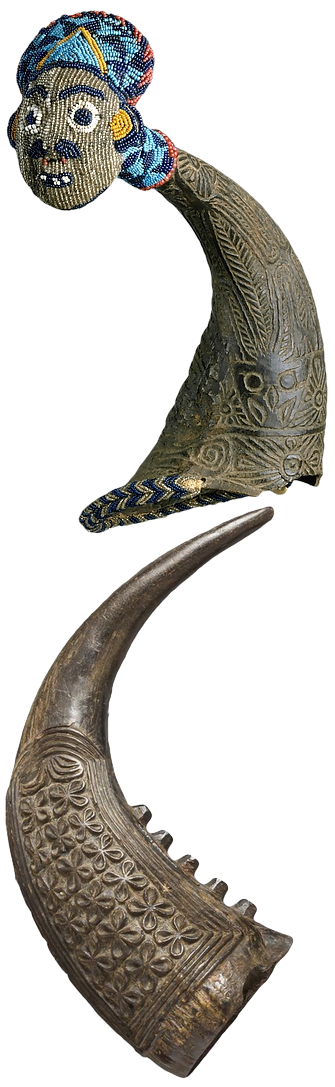
This weaves a belief system in which powerful spirits and known natural forces can coexist.
Humans are the sorcerors of this world.

Moolaadé (Magic Protection), dir. Ousmane Sembene
Creators of Light and Darkness Mawu-Lisa guide the Earth.
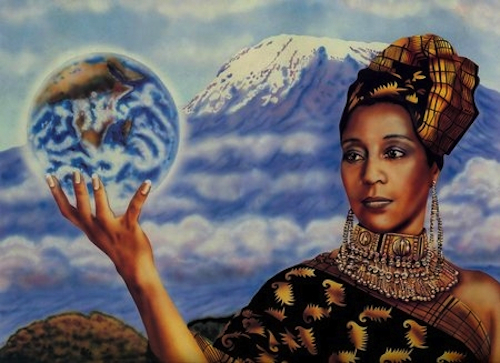
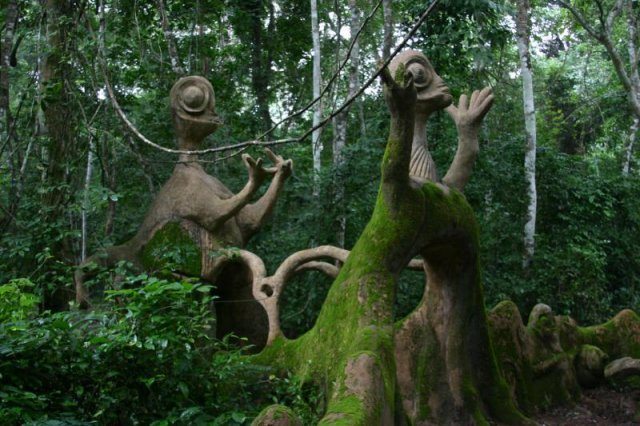
Osun-Osogbo Grove is a breathtaking tribute to the Yoruba orisha Oshun
and others: Elegua, Chango, Ochossi, many more.
Thousands visit Nigeria's last, old southern forest every year.

WOMEN
Their power is undeniable in Africa's layered cosmogony, its long history
of courageous leadership and multi-faceted people.
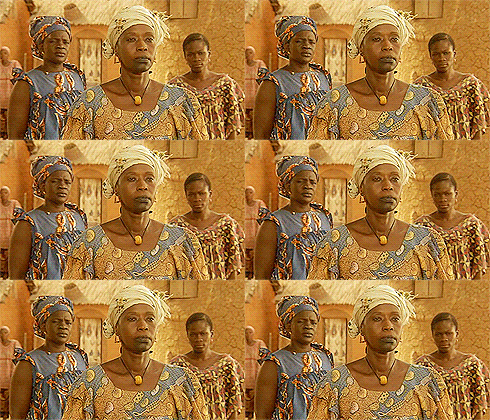
Moolaadé (2004)
African women have headed spiritual structures, empires, cultural golden ages.
Throughout time.
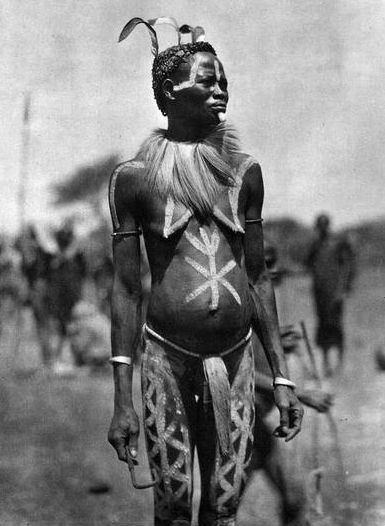
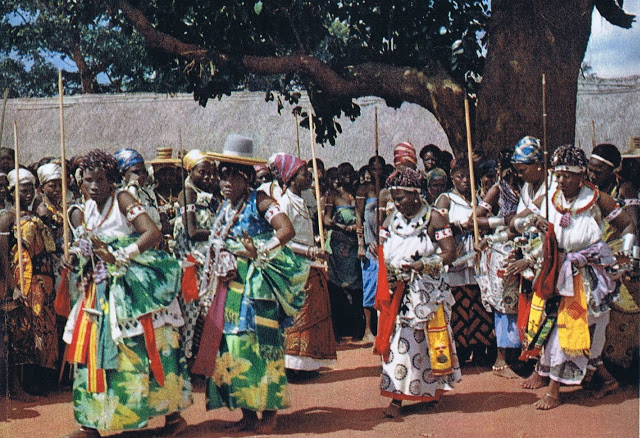
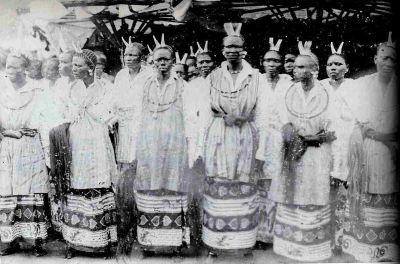
Abomey women wearing horns of office, a political and spiritual symbol
that displays Vodun's role in Beninese authority
Asona and Tena (Akan) tribes base creation upon a
Mother Earth divinity, often tracing family lines to them
(Documentation of Queen Mothers' Regalia).
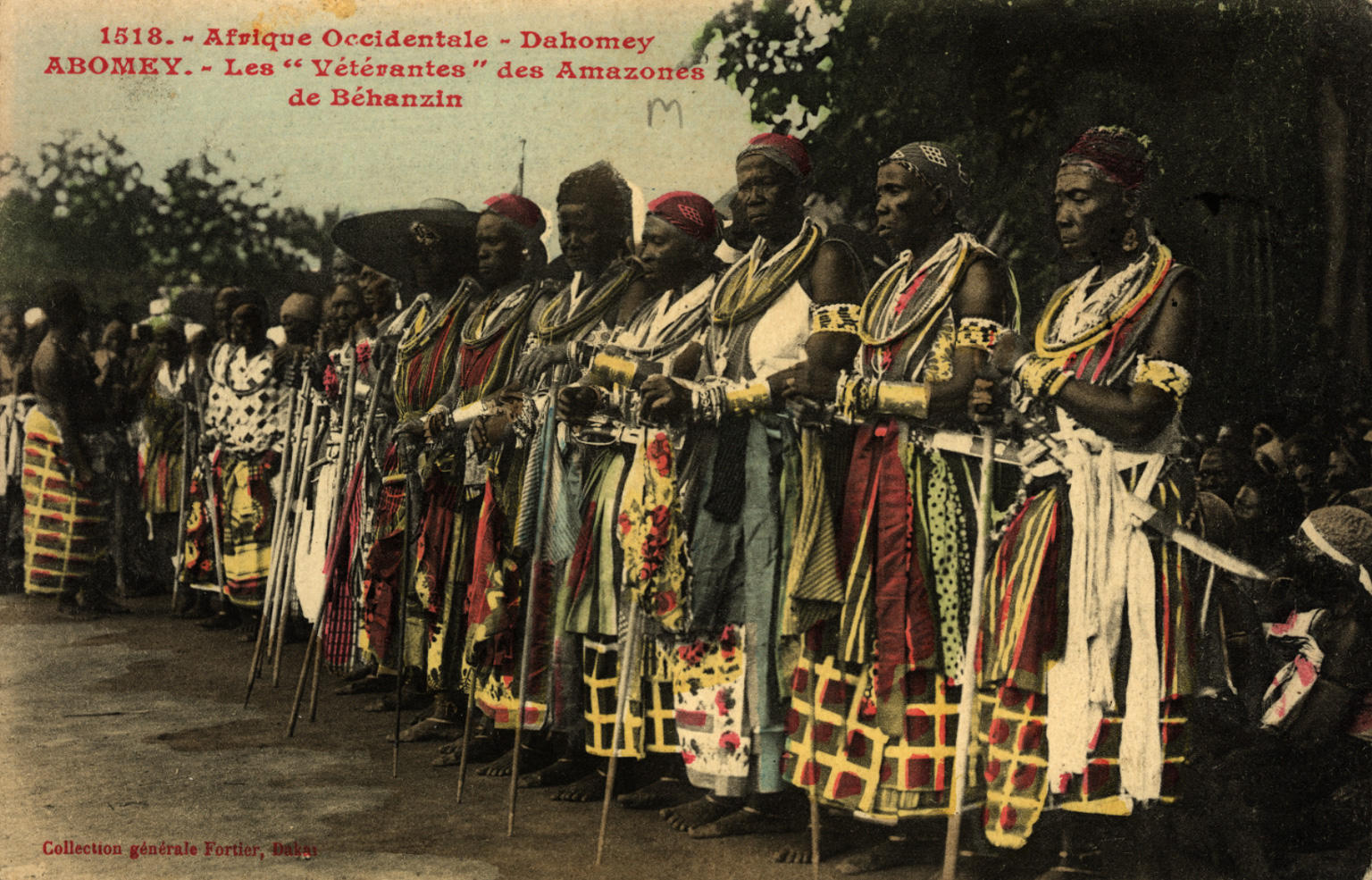
Igbo society reveals multiple matrilineal descent systems
that contrast patrilineal ones elsewhere
(Igbo Women and Economic Transformation
in Southeastern Nigeria, pg. 8).
Their social structure allowed anyone to advance, whether
some villages followed patriarchal laws or not.
Persuasive speech, good sense and strong independence afforded a
citizen more of an advantage than male from female.
Social mobility for women IS prominent in African cultures.
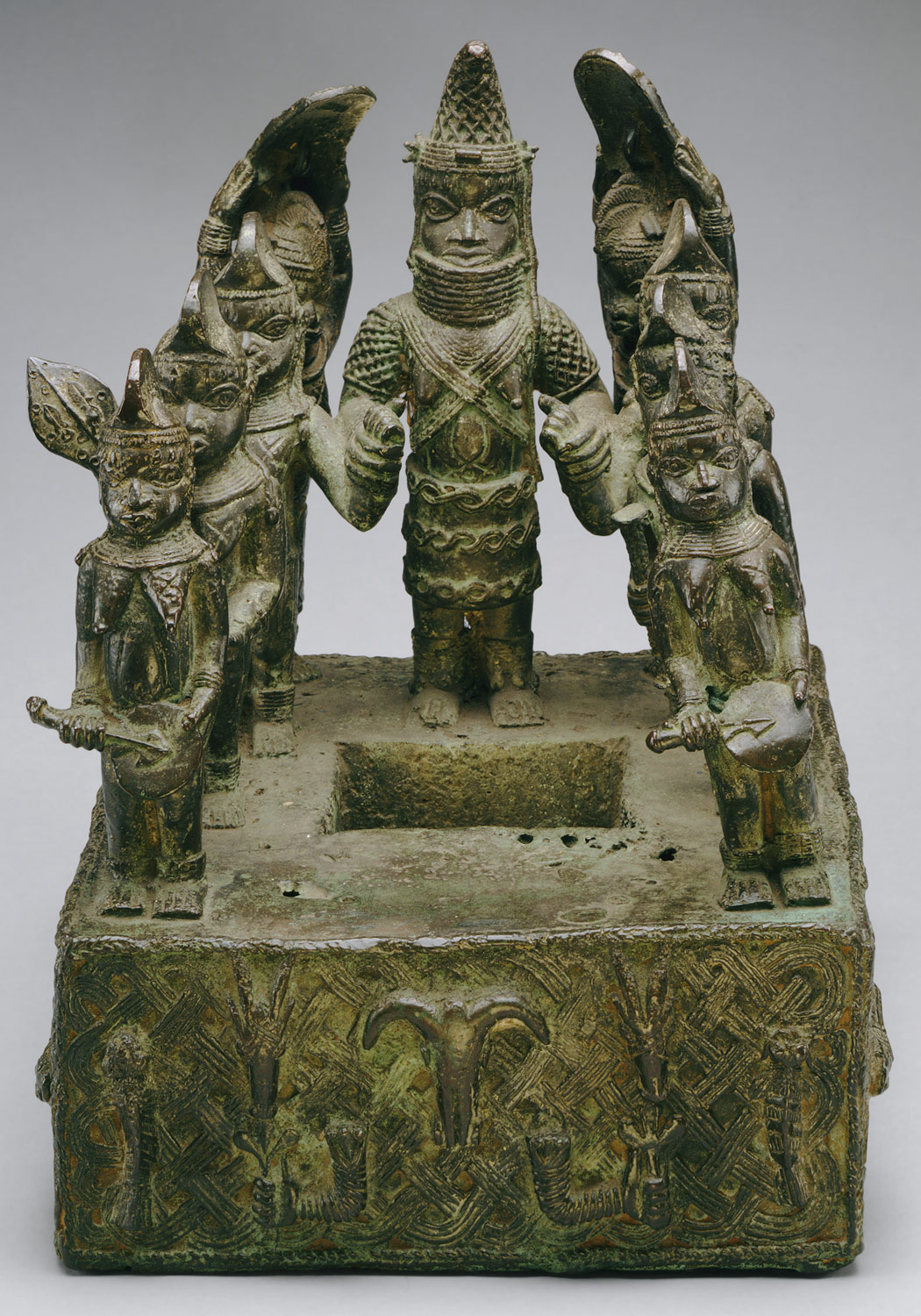
Brass ancestral altar (urhoto). Altar Tableau: Queen
Mother and
Attendants, 1700's (Met
Museumm)
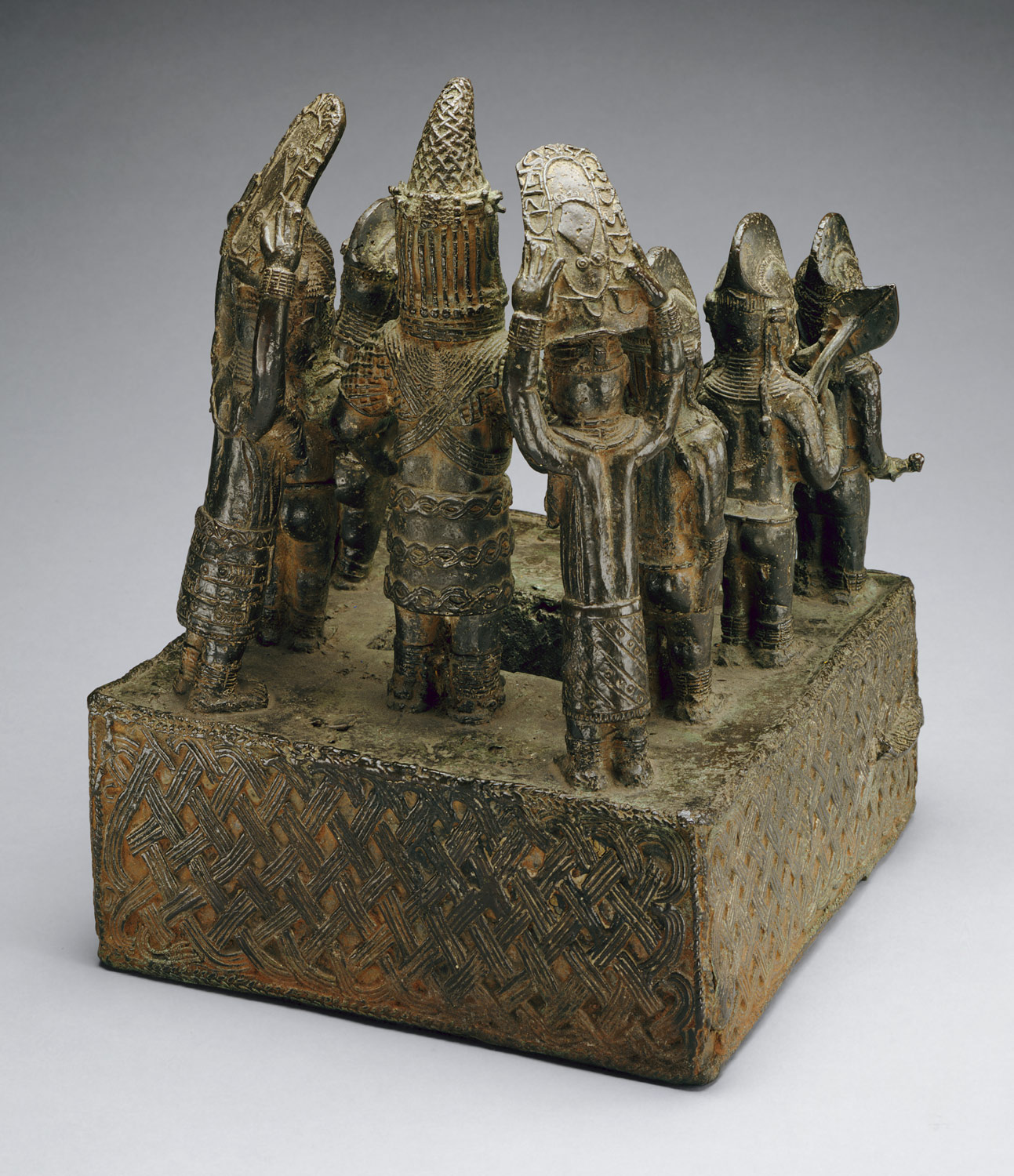
After an iyoba (queen mother) passed on, Nigeria's Court of
Benin cast bronze or brass altars.
They accompany a greater altar as tribute and a spiritual tether.
King Esigie commissioned this from the Beninese royal ivory-carving guild.
Osawe (personal name) greatly respected his mother, Idia.
She was a strong person and culturally influential advisor too.
Idia also created the famous ukpe okhue (parrot-beak) Iyoba cap,
seen on the ancestral altar and commemorative head sculpture.
The iyoba role was solidified by the Benin Royal Court.
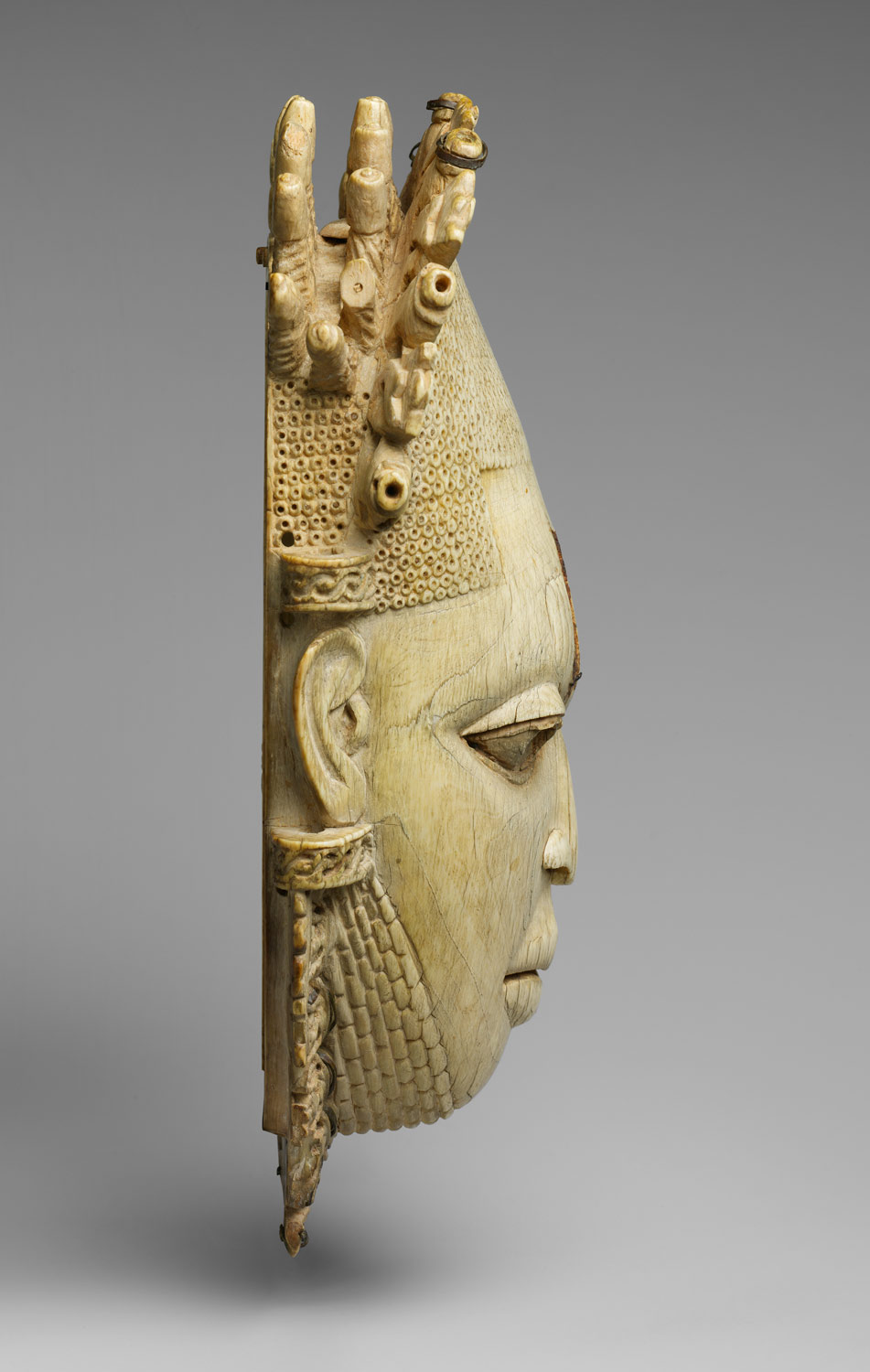
Queen Mother Pendant Mask, mid-1600's Nigerian Court
of Benin
In 1977, a Beninese copy of the pendant mask immortalized Idia again.
Nigeria's Festec Festival adopted her face as a national
symbol and ode to their pride.
Woven artwork, ritual talismans,
architectural design, African cultures and
oral tradition all give us insight to Africa's past times
(Igbo Women...in Southeastern Nigeria, pg. 13).
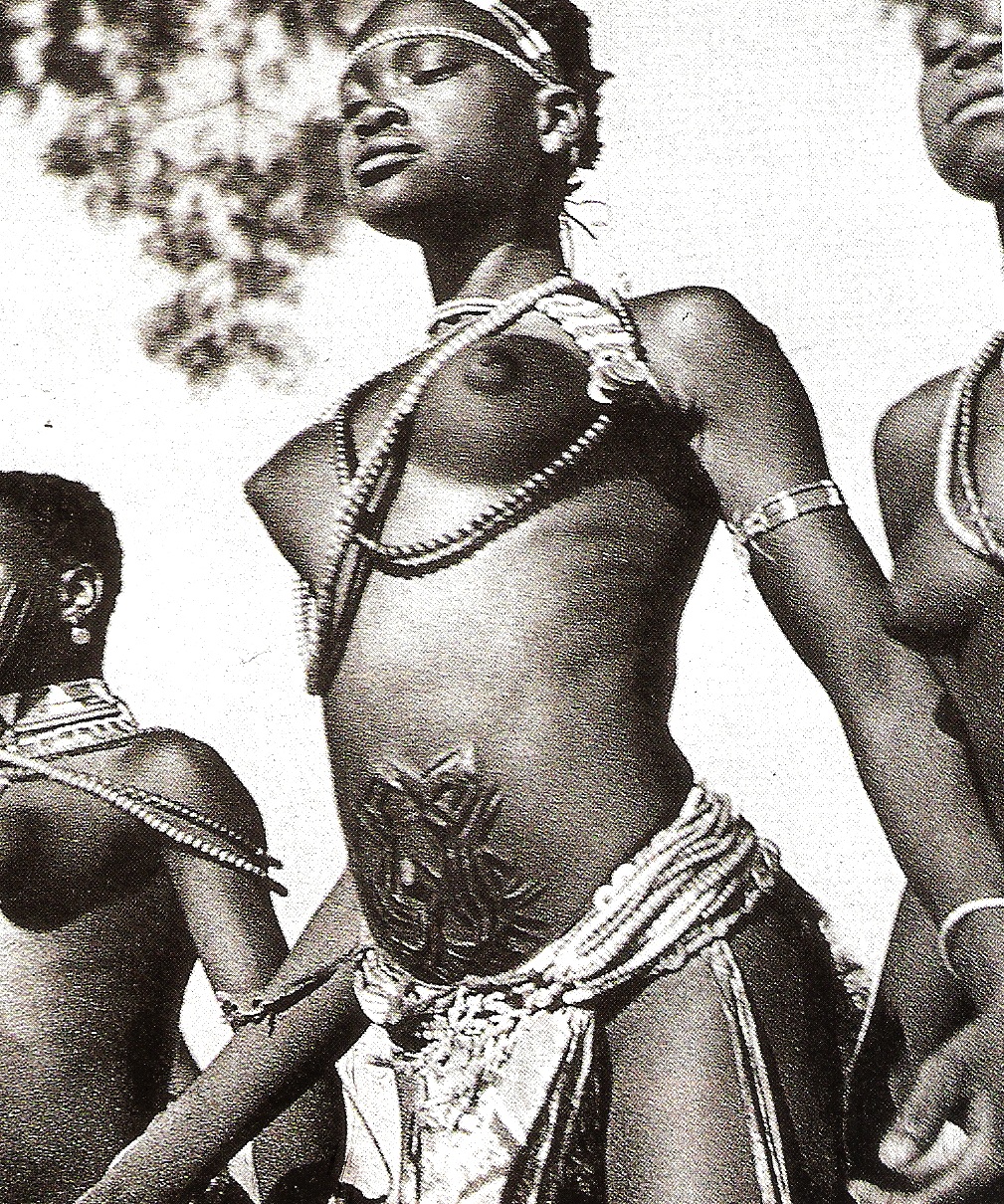
Pre-colonized Africa still placed women strictly under male power hierarchies.
African women have always had a spiritually and socially aware relationship with sex.
Now they are discouraged further from free expression.
Many girls in those societies kept their sexual lives secret,
not all were an alternative from male-centered sexuality.
More than one African society opened their horizons to
same-sex marriages and lifestyles.
Azande women in the Sudan shared penetrative
toys and pleasure with each other.
They rarely shared sexual contact with the household patriarch (often not for months).
Since pre-Christianity, they had enjoyed same-sex relations
[adandara] (American Anthropologist, Vol. 72, pg. 1431).
Azande men believed women-loving-women grew powerful
(Encyclopedia of Lesbian and Gay Histories and Cultures, pg. 394).
The southwest African Nama tribe displays women loving women.
Sorigus ceremonies celebrate bond friendship, but also could
double as a same-sex marriage institution.
Women in sorigus may explore sexual practices often
(Encyclopedia of Lesbian and Gay Histories and Cultures).
Limpopo's (South Africa) Balobedu tribe has a spiritual
role model in the Rain Queen, Modjadji.
Balobedu matrilineal succession includes her name:
'ba Lobedu ba gaModjadji'.
This hereditary monarch controls both rainfall and the storm clouds.
Balobedu culture does allow for Modjadji to marry more than one wife.
It is still unclear whether this relationship incorporates sex,
but the possibility seems real.
Rain Queens are prominent figures in southern Africa.
Gender fluidity is an ancient African concept, and
women embody its many manifestations.
Four African nations threaten homosexuality with death by law:
Mauritania, southern Somalia, Sudan and northern Nigeria.
Angola's penal code comes directly from colonial
Portuguese amendments (ILGA, pg. 58).
European colonists brought to Africa dangerously intolerant homophobia.
British colonial law from 1902 and 1950 has impacted Ugandan
anti-gay discrimination to the present day (International Business Times).
African activists resist oppression.
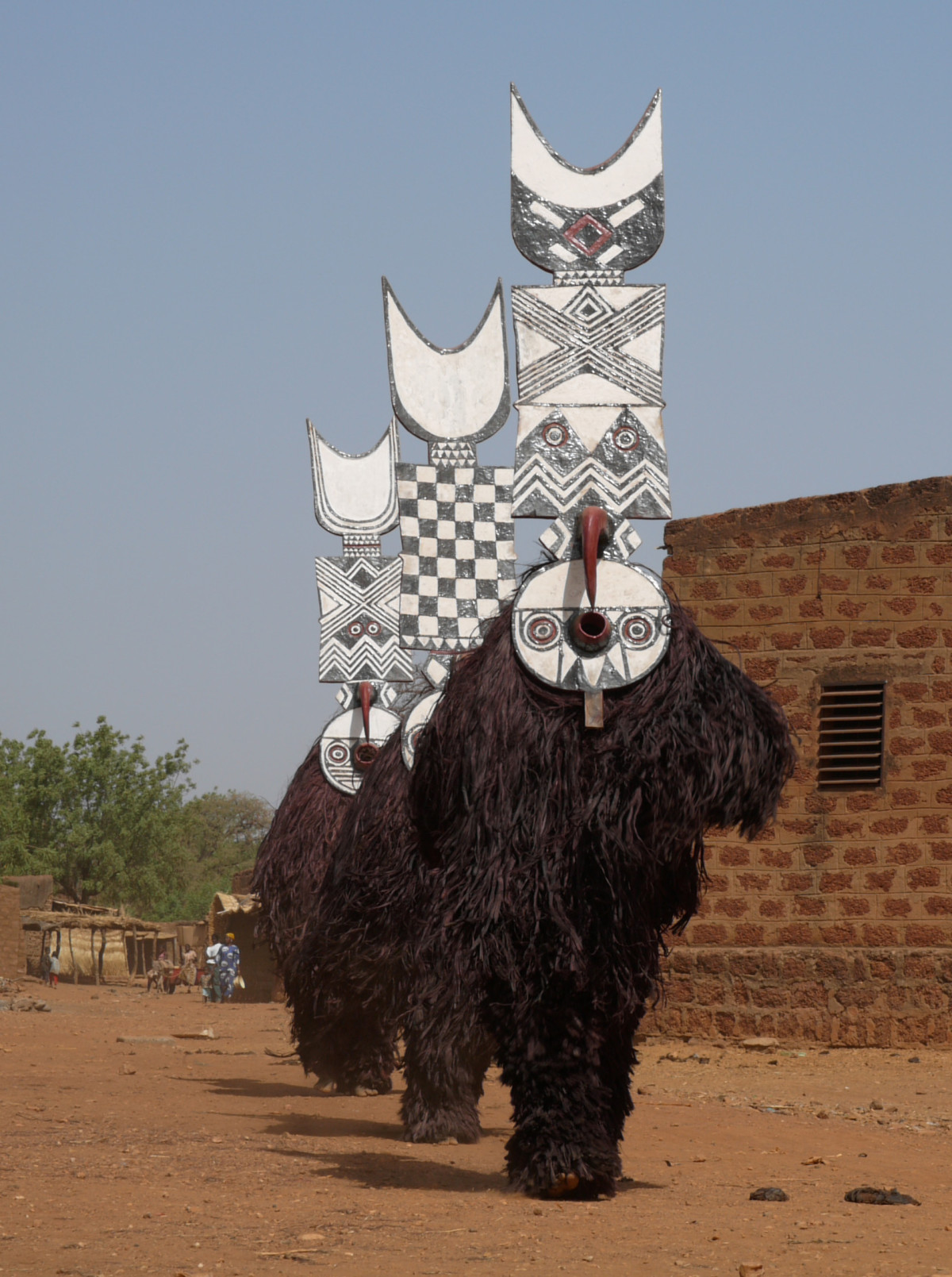
Bwa nwantantay (plank) masks worn by Gnoumou family in Burkina
Faso (x)
Africa in the present moves between ages: the world's past and future.
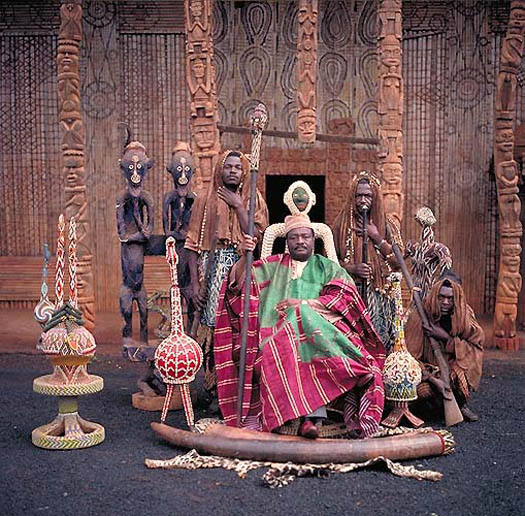
This is the Fon king, Ngie
Kamga Joseph of Cameroon.
The Bandjun palace has been a royal seat for over 100 years.
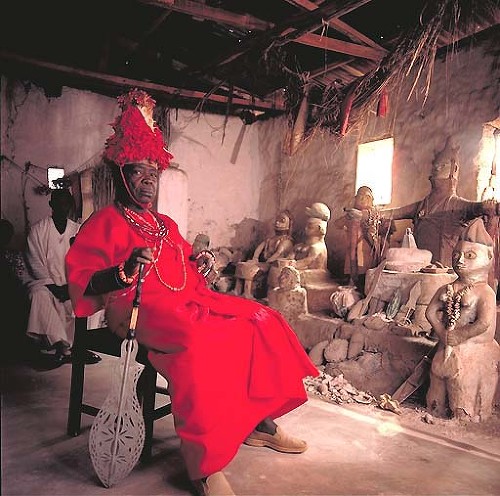
King Ereduwa of Benin
Traditional customs and values meet new technology
and ways of living in Africa's cities, villages and open land.
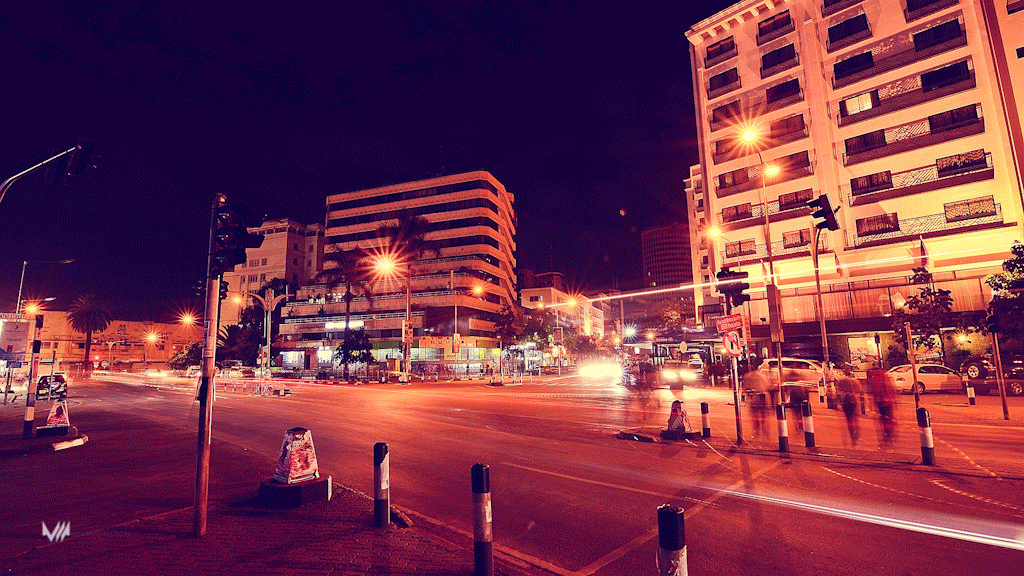
Nairobi Streets by Night. Photograph by Mutua Matheka.
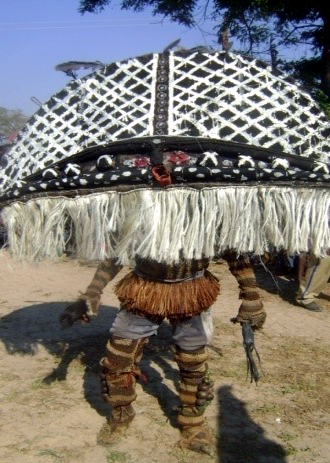
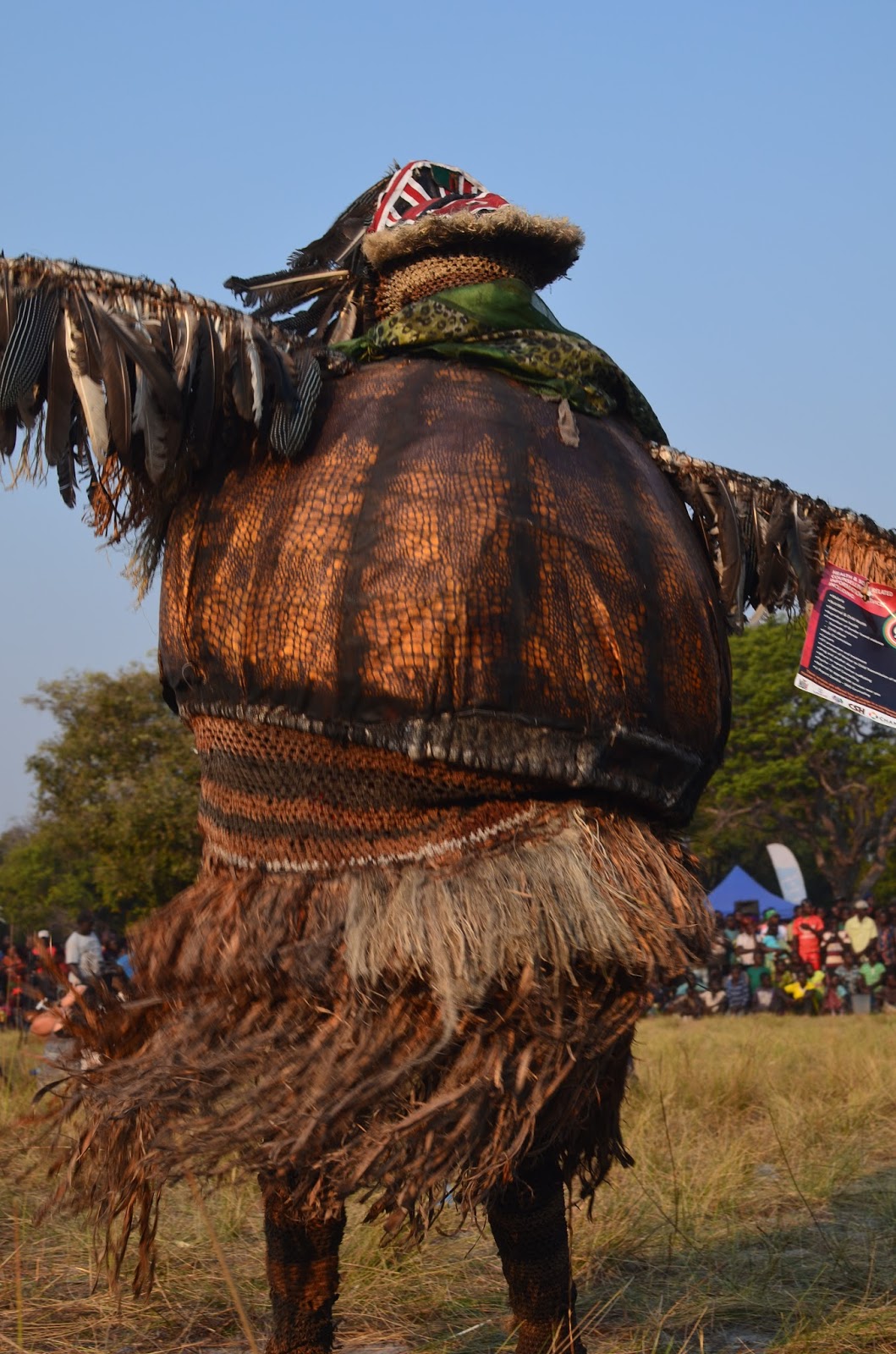
Likumbi Lyamize is a Zambian festival honoring Luvalu
customs and ways of life for centuries.
Every year for five days, Luvalu/Lwena people join
in tradition and masquerade.
The Myths and the Realities of Gender Equality in Nigeria (Sapientia Global Journal of Arts, 6-21)
Jidenna Says Homosexuality Is African (The Guardian, 8-30-19)
Origins of the Oppression of African Women (The Herald, 8-28-15)
Ancient Africa: Women and Inequality (Africa on the Blog, 10-14-14)
African Foreign Policy and Diplomacy from Antiquity to the 21st Century (Daniel Don Nanjira, 10-21-10)
Sexual Inversion among the Azande (E.E. Evans-Pritchard, American Anthropologist, 1970 (online reissue 2009)
West African Manuscripts in Arabic and African Languages... (Fallou Ngom, Oxford Research Encyclopedia of African History, 06-17)